Hurricane Melissa and the 2025 Disaster in Jamaica

Hurricane Melissa struck southwestern Jamaica on October 28, 2025, as a Category 5 hurricane with sustained winds of 185 mph (295 km/h). The cyclone became the strongest hurricane on record to make landfall in Jamaica and one of the most intense Atlantic landfalls ever documented.

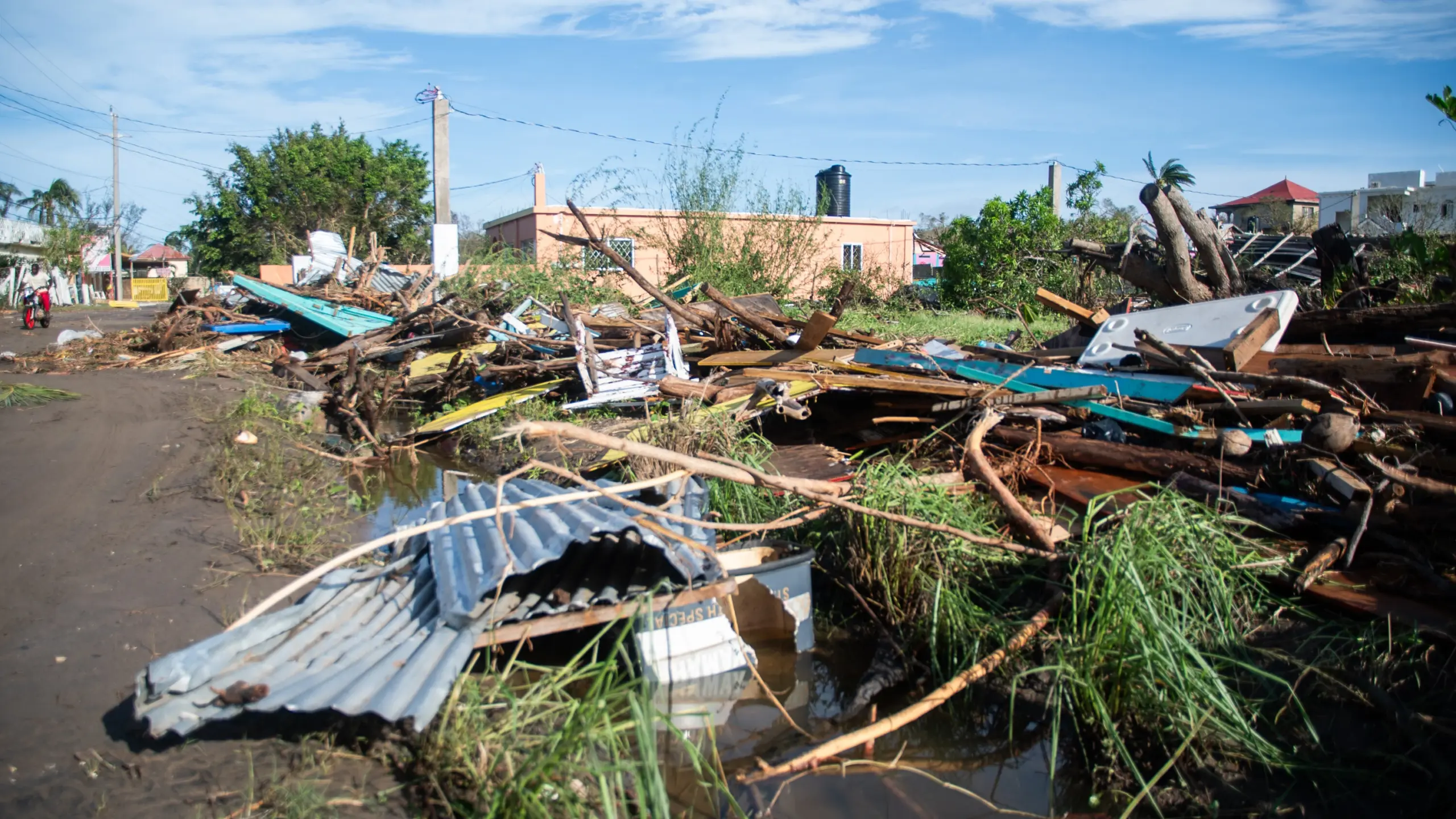
The storm damaged homes, hospitals, schools, roads, farms, electricity networks and water systems across the island. Around 1.6 million people were affected, while the estimated value of physical damage reached US$8.8 billion. Melissa also produced destructive winds, rainfall and flooding in Cuba, Haiti, the Dominican Republic and other parts of the Caribbean.

Hurricane Melissa’s Track Through the Caribbean

Melissa developed over the southern Caribbean on October 21, 2025. The system initially moved west before slowing and turning toward Jamaica, allowing it to strengthen over exceptionally warm water.

The cyclone’s progression was rapid:

DateStorm stage and location
October 21, 2025Melissa formed as a tropical storm over the southern Caribbean
October 26The system strengthened into a Category 4 hurricane
October 27–28Melissa reached Category 5 intensity south of Jamaica
October 28Landfall near New Hope in southwestern Jamaica
October 29Second landfall on the southern coast of eastern Cuba
October 29–30The hurricane moved through the Bahamas
October 31Melissa transitioned away from a tropical system over the North Atlantic

At Jamaican landfall, the National Hurricane Center estimated maximum sustained winds of 185 mph and a minimum central pressure of 892 millibars. The centre crossed the mountainous western section of Jamaica, weakening substantially before emerging from the island’s northern coast.

Melissa later reached eastern Cuba near Chivirico. Although weaker than at its Jamaican landfall, it remained a dangerous hurricane capable of producing destructive winds, storm surge and intense rain.

Why Hurricane Melissa Was Historic

Hurricane Melissa was the first recorded Category 5 hurricane to make landfall in Jamaica. Its 185 mph winds also placed it alongside the strongest Atlantic hurricane landfalls measured by sustained wind speed.

The storm exceeded Hurricane Gilbert, which struck Jamaica in September 1988 and had long served as the country’s reference point for extreme hurricane damage.

Melissa was exceptional for three connected reasons.

First, the cyclone intensified rapidly over the Caribbean Sea. A storm that strengthens quickly gives communities less time to adjust once preparations are already underway.

Second, Melissa approached Jamaica at close to peak intensity. Many powerful hurricanes weaken before reaching land because of wind shear, cooler water or changes in their internal structure. Melissa retained an exceptionally organised core until landfall.

Third, the hurricane crossed western Jamaica, where communities, agricultural areas and tourism infrastructure were directly exposed to its eyewall. Mountainous terrain weakened the circulation after landfall, but it also increased the risk of flash flooding and landslides.

Damage Across Jamaica

Western and southern parishes suffered the most severe destruction. St. Elizabeth, Westmoreland, Hanover, St. James, Trelawny and Manchester faced combinations of extreme wind, flooding, damaged buildings and prolonged service disruption.

Approximately 77% of customers lost electricity at the height of the crisis. Water services shut down completely in parts of Hanover and Westmoreland, while St. James and St. Elizabeth experienced major interruptions.

More than 156,000 homes required repairs in western Jamaica. Some buildings lost roofs or suffered water damage; others were no longer safe to occupy. Six weeks after landfall, roughly 90,000 households—about 279,000 people—were still unable to return home.

The displacement figure was much higher than the number remaining inside official shelters. Many residents stayed with relatives, moved into informal accommodation or remained close to damaged properties while waiting for repairs. This distinction matters: shelter occupancy alone did not show the full scale of housing displacement.

Hospitals, Schools and Public Services

At least 135 health facilities were damaged, including five major hospitals. Electricity instability, water shortages, damaged roofs and interrupted communications reduced the ability of medical teams to provide normal services.

Hundreds of education facilities were also affected. Damage to schools created two separate problems: children lost access to classrooms, while some school buildings were needed as emergency shelters.

Road damage, fallen trees and flooding isolated communities during the first phase of the response. Even where aid supplies were available nationally, blocked routes slowed their delivery to individual towns and villages.

The Human and Economic Cost

The final regional assessment attributed more than 90 deaths to Hurricane Melissa. Jamaica confirmed 45 deaths, with additional fatalities recorded in Haiti and other affected territories.

The number of people “affected” should not be confused with the number killed, injured or displaced. An affected person may have experienced a power cut, loss of water, damage to a livelihood, destruction of a home or interruption of health and education services.

Jamaica’s physical damage was estimated at US$8.8 billion. That was roughly two-fifths of the country’s annual economic output and made Melissa the costliest hurricane in Jamaica’s recorded history.

Physical damage includes destroyed or impaired assets such as buildings, roads and utility systems. It does not necessarily capture every lost hotel booking, missed workday, destroyed crop, business interruption or long-term health consequence. The storm’s total economic effect could therefore differ from the physical-damage estimate.

Housing Was Only the First Recovery Challenge

Rebuilding a damaged house does not automatically restore a household’s previous life. Families also needed electricity, clean water, transport, income and access to schools and healthcare.

Agricultural losses affected both farmers and consumers. Western Jamaica produces crops used throughout the country, and hurricane damage disrupted farms, storage, roads and local supply chains. Lost harvests reduce farmers’ incomes while placing upward pressure on food availability and prices.

Tourism faced a different recovery problem. Large resorts may have access to insurance, generators and specialist contractors, while small guesthouses, restaurants, drivers and vendors often have fewer financial reserves. A destination can technically reopen while many local workers remain under economic pressure.

The practical pace of recovery therefore differed sharply between communities. Restoring a national power statistic to a high percentage did not mean every rural household, clinic or business had returned to normal.

Public Health Risks Continued After Landfall

Floodwater, damaged sanitation systems and interruptions to safe water supplies created risks that remained after the wind had passed.

Jamaica declared a leptospirosis outbreak one month after the hurricane. Leptospirosis is a bacterial illness that can spread when water or soil becomes contaminated with urine from infected animals. Flooding increases exposure because residents and cleanup workers may come into contact with contaminated water through cuts, eyes, the nose or mouth.

Mosquito breeding also became a concern in areas with stagnant water. Health authorities continued dengue surveillance while damaged clinics and disrupted transport made routine care more difficult.

The safest post-hurricane precautions included avoiding floodwater where possible, covering cuts, using protective footwear during cleanup, treating uncertain drinking water and seeking medical help for fever or other symptoms after exposure.

Hurricane Melissa in the Dominican Republic and Haiti

Melissa did not need to make direct landfall on Hispaniola to create a major emergency. Its broad rainbands produced persistent rainfall over the Dominican Republic and Haiti while the centre remained over the Caribbean.

In the Dominican Republic, flooding and landslides affected southern and central provinces. Dozens of aqueducts stopped operating, leaving more than one million people with disrupted access to safe water. Roads and bridges were damaged, and dozens of communities became temporarily isolated.

Agricultural losses included plantain, cassava and coffee crops. When a storm damages both water infrastructure and farmland, the effects reinforce each other: households face immediate sanitation risks while also losing food production and income.

Haiti experienced deadly flash floods and landslides. Existing displacement, food insecurity, weak infrastructure and limited access to public services made recovery especially difficult. Heavy rain could cut off communities even when the hurricane’s strongest winds remained far offshore.

The regional impact shows why hurricane categories cannot describe the complete danger. The Saffir–Simpson scale measures sustained wind speed, not rainfall, landslide probability, flood exposure or the condition of local infrastructure.

Hurricane Melissa’s Impact on Cuba

Melissa reached southeastern Cuba on October 29 after crossing Jamaica. Authorities carried out large-scale evacuations before landfall, but eastern provinces still experienced severe wind, rain and housing damage.

Later assessments indicated that approximately 215,000 homes were damaged or destroyed. Water, healthcare, agriculture and food storage were affected alongside the housing sector.

Cuba’s existing fuel and electricity shortages complicated recovery. Water trucking, hospital operations, refrigeration and debris clearance all require dependable energy. When fuel supplies are limited, restoring one service can depend on another service that is also failing.

Post-storm conditions also increased pressure from mosquito-borne diseases, including dengue, chikungunya and oropouche. The hurricane did not create these diseases, but standing water, damaged housing and interrupted public services made control more difficult.

Was There a Hurricane Melissa in 2026?

There was no new Hurricane Melissa in 2026. Hurricane Melissa formed and struck the Caribbean in October 2025.

Searches for Hurricane Melissa 2026 generally refer to humanitarian reports, reconstruction updates and later assessments published during 2026. The year attached to a report is not necessarily the year in which the storm occurred.

In March 2026, the World Meteorological Organization retired the name Melissa because of the hurricane’s death toll and destruction. Retired names are removed from the Atlantic system so they are not reused for a future cyclone.

The replacement name Molly is scheduled to enter the Atlantic list in 2031. As a result, there will not be another Atlantic hurricane officially named Melissa under the current naming system.

Why Some Melissa Statistics Do Not Match

Reports issued immediately after a disaster are based on incomplete assessments. Figures change as authorities reach isolated communities, inspect buildings and distinguish confirmed deaths from missing-person cases.

Different organisations may also measure different things:

  • Exposed population means people living within an area reached by wind, rain or flooding.
  • Affected population includes people who experienced some form of disruption or loss.
  • Displaced population refers to people unable to remain in or return to their usual homes.
  • Evacuated population counts people moved before or during the emergency.
  • Physical damage values destroyed assets.
  • Economic loss may also include reduced production, income and business activity.

A figure of 1.6 million people affected in Jamaica does not mean 1.6 million people lost their homes. Likewise, the hundreds of thousands evacuated in Cuba should not automatically be counted as permanently displaced.

When comparing Hurricane Melissa reports, the publication date, geographic scope and definition of each figure are as important as the number itself.

Early Warnings Reduced a Potentially Greater Death Toll

Forecast agencies identified the threat before Melissa reached Jamaica, allowing authorities to close airports, activate shelters, pre-position supplies and order evacuations in exposed locations.

Those actions could not prevent buildings from being destroyed by Category 5 winds. They did reduce the number of people caught without warning.

Melissa demonstrated the difference between hazard and disaster risk. The hurricane’s physical power was unavoidable once it had formed, but the eventual human toll depended partly on forecasting, communication, shelter access, building quality and whether residents were able to act on warnings.

The storm also exposed limits. Some people were reluctant or unable to leave, while others lacked transport or did not believe their area would suffer catastrophic damage. Opening hundreds of shelters is useful only when residents can reach them, trust them and receive clear information about why evacuation is necessary.

What Hurricane Melissa Left Behind

Hurricane Melissa ended as a meteorological system in late October 2025, but the disaster continued through 2026. Housing repairs, damaged farms, health risks and unreliable public services kept hundreds of thousands of people from returning quickly to normal life.

For Jamaica, the lasting test is not only how fast electricity and tourism operations return. Recovery must also be measured by whether displaced families obtain durable housing, damaged schools reopen, water systems become more resilient and small businesses survive the interruption.

Melissa’s name has been retired, but the conditions that made the disaster so damaging remain relevant across the Caribbean. Future preparedness will depend on stronger buildings, protected water networks, reliable warning systems and recovery financing that reaches vulnerable households before the next major hurricane arrives.
Rajiv Ruparelia: The Businessman Behind a Public Legacy

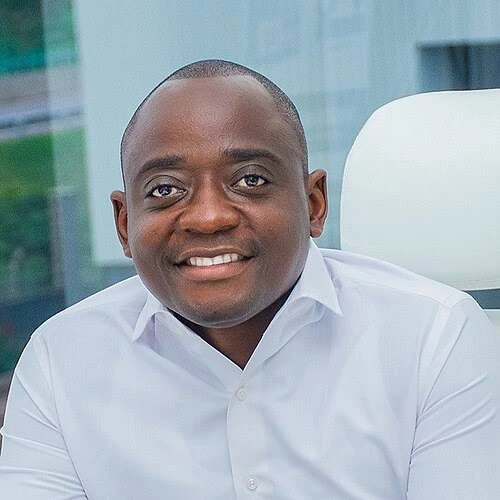
Rajiv Ruparelia was a Ugandan businessman, education advocate, philanthropist and competitive rally driver. He served as Managing Director of the Ruparelia Group, the diversified family business founded by his father, Sudhir Ruparelia.

His career connected two very different worlds. In business, he helped oversee interests in real estate, hospitality, education, floriculture, insurance, recruitment and media. Away from the boardroom, he became a familiar figure in Ugandan motorsport, competing in a Volkswagen Polo Proto and winning the 2021 Kabalega Rally.

Rajiv Ruparelia died in a road crash on May 3, 2025. He was 35 years old.

Rajiv Ruparelia at a Glance

DetailInformation
Full nameRajiv Ruparelia
BornJanuary 2, 1990
DiedMay 3, 2025
Age at death35
NationalityUgandan
ParentsSudhir and Jyotsna Ruparelia
WifeNaiya Khagram Ruparelia
ChildOne daughter
EducationFinancial Management at Regent’s College London
Main roleManaging Director of the Ruparelia Group
Sporting careerUgandan rally driver
Notable rally resultWinner of the 2021 Kabalega Rally

Rajiv was born in Uganda and later studied in the United Kingdom. The Ruparelia Foundation identified him as a Financial Management graduate of Regent’s College London and a trustee involved in welfare and sports programmes.

How Did Rajiv Ruparelia Die?

Rajiv Ruparelia died in a single-vehicle accident at the Busabala Flyover in Makindye-Ssabagabo, Wakiso District, during the early hours of May 3, 2025.

The preliminary traffic police account placed the accident at approximately 1:54 a.m. Rajiv was driving a Nissan GT-R when the vehicle struck temporary concrete structures, overturned and caught fire. He was alone in the car and died at the scene.

The initial police statement confirmed the sequence of the crash but did not establish a final underlying cause. Reports that followed raised questions about the positioning, lighting and visibility of the temporary barriers. Those concerns should be separated from the confirmed police account unless supported by a completed investigation.

The Ruparelia family announced that his cremation would take place at the Hindu Crematorium in Lugogo on May 6, 2025. A vigil was held at the family residence in Kololo, and the family asked the public to respect its privacy.

His Place in the Ruparelia Family

Rajiv was the only son of Sudhir and Jyotsna Ruparelia and was widely viewed as part of the next generation of leadership within the family’s business interests.

Sudhir Ruparelia founded the group after beginning with a foreign-exchange business in 1985. It later expanded across hospitality, real estate, education, floriculture, insurance, finance, recruitment and media.

Rajiv did not create that business network from the beginning, but his position was more substantial than that of a passive heir. As Managing Director, he was responsible for business strategy and leadership across several companies operating under the wider group structure.

That distinction matters when describing his career. Rajiv inherited access to a major family enterprise, but he also held executive responsibilities within businesses employing staff, serving students, managing property and operating hospitality facilities across Uganda.

Rajiv Ruparelia’s Business Career

Rajiv’s work was spread across a conglomerate rather than one standalone company. This made his public role broad but also makes it difficult to attribute every group expansion, building or investment directly to him.

Real Estate and Property Development

Real estate has long been one of the Ruparelia Group’s central businesses. Meera Investments and related companies are associated with commercial, residential and mixed-use developments in Kampala.

Rajiv appeared publicly in connection with property projects and was named as Managing Director in materials for Tagore Living, an apartment development in Kampala. His work reflected the group’s continuing focus on urban property, construction and managed commercial space.

Claims that he personally created a precise number of properties or controlled a specific volume of square footage should be treated cautiously unless supported by project records or audited company disclosures. Group-wide assets cannot automatically be counted as one executive’s personal achievements or wealth.

Hospitality and Tourism

The Ruparelia Group operates a substantial hospitality portfolio that includes Speke Resort Munyonyo, Munyonyo Commonwealth Resort, Kabira Country Club and other accommodation and leisure businesses.

Rajiv participated in the management of the wider group during a period when its hospitality and conference operations continued to grow. However, large projects involved several executives, family members, contractors and operating teams. It is more accurate to describe him as part of the leadership structure than to credit him alone with each development.

Recruitment, Agriculture and Media

The group’s interests also extend to workforce recruitment, floriculture, insurance and media. These businesses gave Rajiv exposure to operating companies that depended on staff management, regulation, customers and export markets rather than property appreciation alone.

His career therefore differed from the simplified image of a young property heir. He worked inside a diversified private group whose companies faced different commercial conditions and management demands.

His Role in Education

Education was one of the most visible parts of Rajiv Ruparelia’s public work. The family group is connected to Victoria University, Kampala Parents’ School, Kampala International School Uganda and Delhi Public School International.

Victoria University described Rajiv as a council member who supported scholarship programmes, practical learning and wider access to education. The university also credited him with helping shape its strategic direction and public profile.

Rajiv was also associated with educational support for young Ugandan performers, including Fresh Kid and Felista, whose schooling received assistance. This provides a more concrete example of his education work than broad, difficult-to-audit claims about transforming thousands of individual lives.

The original obituary attributed exact student-growth figures, scholarship totals and large investment values to Rajiv personally. Those figures require institutional records and a clear distinction between his contribution, decisions made by the university council and the wider investment of the Ruparelia family.

Philanthropy Through the Ruparelia Foundation

Rajiv served as a trustee of the Ruparelia Foundation, the family’s philanthropic organisation. His profile identified sports promotion and general welfare among his areas of involvement.

The foundation’s broader work covers education, health, community support, sport, environmental causes and assistance to vulnerable groups. Rajiv’s public identity was closely connected to that work, particularly programmes involving young people and sporting activity.

It is reasonable to describe him as a philanthropist because he held a formal foundation role and participated in its programmes. It is less reliable to assign every donation made by the foundation to him individually or to repeat precise lifetime impact figures without accessible financial reporting.

A Competitive Career in Ugandan Motorsport

Motorsport was more than a ceremonial interest for Rajiv Ruparelia. He began competing in rally events in 2019 and established the Rajiv Ruparelia Rally Team.

His most important competitive result came in October 2021, when Rajiv and co-driver Enock Olinga won the Kabalega Rally in Hoima. Driving a Volkswagen Polo, the crew recorded six stage wins and finished ahead of Duncan Mubiru. The result was Rajiv’s first victory in a Uganda National Rally Championship event.

Rallying gave him a public identity independent of the family business. Results depended on driving, navigation, preparation, mechanical reliability and the work of a full competition team. His willingness to compete rather than appear only as a sponsor helped earn him recognition within the motorsport community.

Ugandan motorsport later commemorated him through the Rajiv Ruparelia Memorial Rally. The event was staged as the sixth round of the 2025 Uganda National Rally Championship in Gulu and included more than 132 kilometres of competitive stages.

Rajiv Ruparelia’s Wife and Children

Rajiv was married to Naiya Khagram Ruparelia. His official foundation profile identified Naiya as his wife, while the family statement issued after his death said he was survived by a young daughter.

He was also survived by his parents and sisters. His family maintained a visible role in Ugandan business and philanthropy, but requested privacy during the funeral period.

Because his daughter was a minor, unnecessary details about her identity, school or daily life should not be included in biographical coverage.

What Was Rajiv Ruparelia’s Net Worth?

No reliable, audited figure establishes Rajiv Ruparelia’s personal net worth.

Online profiles sometimes confuse the value of the entire Ruparelia Group with the personal fortune of an individual family member. That approach is inaccurate. Group property and company assets may be owned through corporate structures, financed with debt or shared among several shareholders.

Rajiv’s position as Managing Director gave him executive influence, but it does not reveal:

  • his exact ownership percentage in each company;
  • the value of shares registered in his name;
  • his personal liabilities;
  • the division of family assets;
  • the difference between company property and private property.

Any exact Rajiv Ruparelia net worth figure published without financial documents should therefore be treated as speculation.

Removing the Exaggeration From His Story

Many tributes published immediately after a death use emotional language and repeat impressive-looking statistics. That is understandable in memorial writing, but it can blur the difference between verified biography and corporate promotion.

Rajiv’s story does not need invented beneficiaries or unsupported figures to be significant. The confirmed record is already substantial: he was Managing Director of a major Ugandan business group, worked with educational institutions, served through a family foundation and won a national rally championship event.

A credible obituary should preserve that record without claiming that he personally created every group job, financed every scholarship or delivered every property associated with the family conglomerate.

A Legacy Split Between Institutions and Motorsport

Rajiv Ruparelia died before his business and sporting careers had reached a natural conclusion. At 35, he occupied a senior position in one of Uganda’s best-known private business groups while still building his own public reputation.

His legacy remains visible in two areas. The first is institutional: the companies, schools and charitable structures in which he worked. The second is personal and sporting: the rally team, the Kabalega victory and the memorial event created in his name.

The strongest account of Rajiv Ruparelia is neither a story of inherited privilege alone nor an uncritical portrait of a flawless visionary. It is the story of a second-generation business executive who used the platform available to him, developed a separate identity in motorsport and left behind a career that ended much earlier than expected.

Visit Rwanda Moves From Arsenal to Aston Villa FC

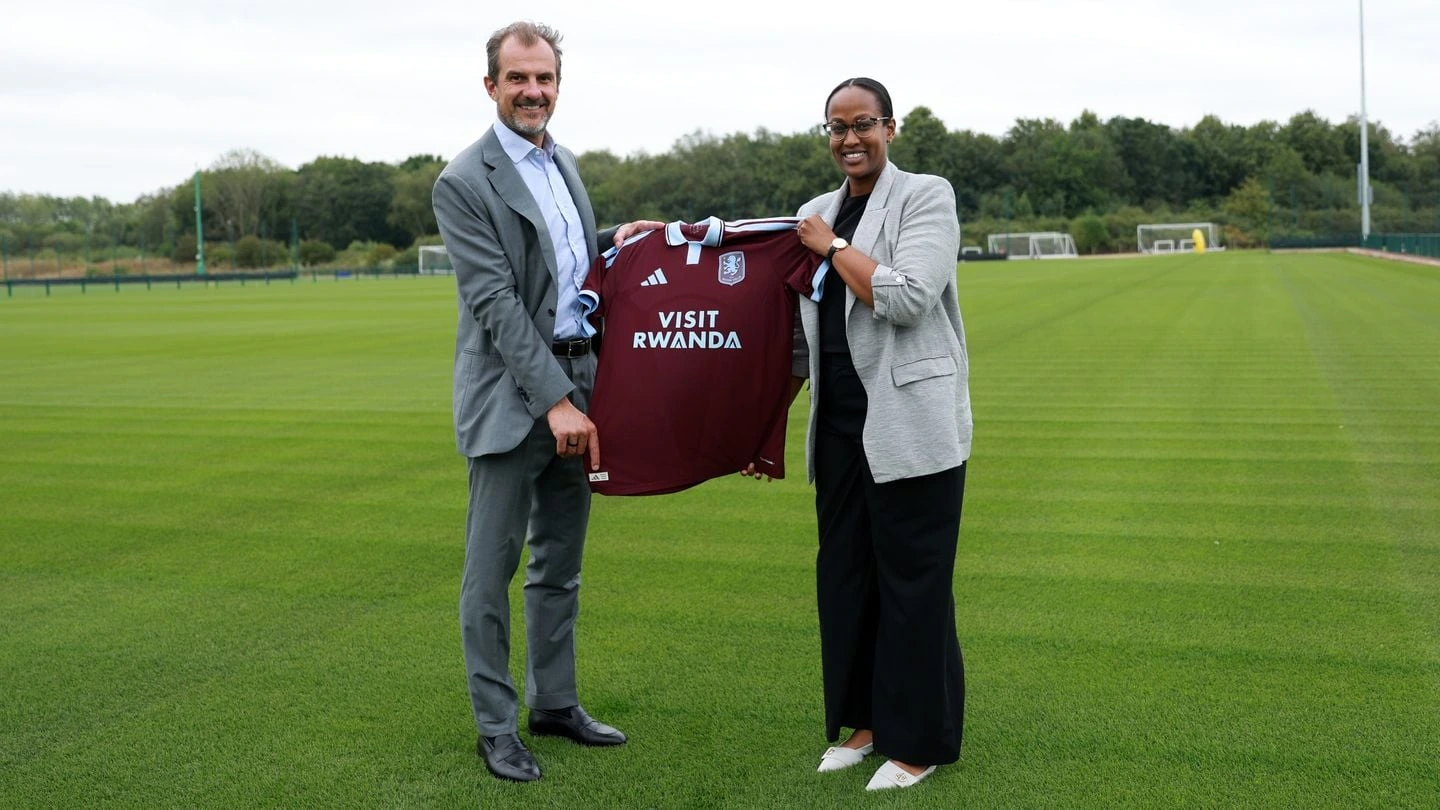
Aston Villa FC has signed a multi-year partnership with Visit Rwanda, placing the tourism brand on the front of the club’s shirts from the 2026/27 season. Announced on July 14, 2026, the agreement covers Aston Villa’s men’s, women’s and academy teams across domestic and European competitions.

The move keeps Rwanda visible in the Premier League immediately after its eight-season relationship with Arsenal ended. However, it is not a direct replacement of one identical contract with another: Visit Rwanda occupied Arsenal’s sleeve, while the Aston Villa agreement gives the brand the more prominent front-of-shirt position.

What the Aston Villa FC Sponsorship Includes

Visit Rwanda becomes Aston Villa’s principal shirt partner, exclusive tourism partner and official coffee provider under the new agreement.

The partnership includes:

  • Visit Rwanda branding on men’s, women’s and youth-team shirts;
  • commercial visibility at Villa Park;
  • international advertising and digital campaigns;
  • tourism, business and investment promotions;
  • fan-focused experiences connected to Rwanda;
  • football development and coaching programmes;
  • academy exchanges and leadership initiatives;
  • scholarships and professional development opportunities for Rwandans.

The coffee-provider element also connects the sponsorship to Rwanda’s export ambitions. Coffee is one of the products the country can promote through hospitality, matchday activity and international campaigns rather than treating the deal solely as tourism advertising.

Neither Aston Villa nor Visit Rwanda publicly disclosed the contract value. Media reports have estimated the agreement at approximately £20 million per year, but that figure should be treated as reported rather than officially confirmed.

Visit Rwanda Has Not Simply “Replaced Arsenal”

The change is better described as a shift in Rwanda’s Premier League sponsorship strategy.

Visit Rwanda became Arsenal’s first official sleeve partner in 2018. The branding remained on Arsenal shirts for eight seasons before the club and the Rwanda Development Board agreed to conclude the partnership in June 2026.

Arsenal subsequently signed global payroll and HR company Deel as its sleeve sponsor for the 2026/27 season. Visit Rwanda, meanwhile, moved to Aston Villa in a larger visual position across the front of the shirt.

PartnershipBranding positionPeriod
Arsenal and Visit RwandaShirt sleeve2018 to June 2026
Aston Villa FC and Visit RwandaFront of shirtFrom 2026/27
Arsenal and DeelShirt sleeveFrom 2026/27

This distinction matters because front-of-shirt sponsorship normally provides greater television exposure and stronger brand recognition than a sleeve placement. The Aston Villa deal therefore represents a change in scale and presentation, rather than the simple continuation of the Arsenal contract under another club.

Why Aston Villa Needed a New Principal Partner

Aston Villa previously carried the Betano name on its men’s shirts under a two-season agreement beginning in 2024/25. The club needed a new principal partner as Premier League teams prepared to remove gambling companies from the front of matchday shirts from the 2026/27 season.

Visit Rwanda gives Aston Villa a non-betting sponsor with an international tourism, trade and investment message. The agreement also extends beyond the men’s first team, giving the sponsor visibility through Aston Villa Women and the academy.

For the club, the partnership supports a wider commercial push into international markets. Aston Villa has expanded its profile through European competition, global sponsorships and development around Villa Park. A prominent international shirt deal provides revenue while increasing the club’s visibility in Africa and other markets targeted by Rwanda’s campaigns.

The unusual combination of tourism, coffee, investment promotion and football development also gives Aston Villa more activation options than a conventional logo-only sponsorship.

Why Rwanda Continues to Invest in Football Marketing

Rwanda uses elite sport to reach audiences that conventional tourism campaigns may struggle to access at the same scale. A Premier League shirt is shown during live broadcasts, highlights, social media posts, interviews and merchandise sales throughout the season.

The country’s strategy extends beyond attracting holidaymakers. Visit Rwanda campaigns also promote:

  • conferences and business events in Kigali;
  • foreign investment;
  • conservation-focused tourism;
  • Rwandan exports;
  • international sporting events;
  • the country’s image as a business destination.

Rwanda reported 1.49 million visitors and approximately US$685 million in tourism and conference revenue in 2025. Those figures do not prove that football sponsorship alone produced the growth, since visitor numbers are influenced by aviation, pricing, events, economic conditions and wider marketing. They do explain why Rwanda continues to regard international sport as an important channel.

The Aston Villa FC deal also complements Visit Rwanda partnerships with Paris Saint-Germain, Atlético Madrid, the Basketball Africa League and professional sports organisations in the United States.

The Political Dispute Around the Deal

The new sponsorship has renewed criticism of Rwanda’s use of European football to build its international image.

Amnesty International UK described the Aston Villa agreement as a potential example of sportswashing. Critics have linked the debate to human-rights concerns and allegations that Rwanda supports the M23 rebel group operating in the eastern Democratic Republic of Congo.

The Rwandan government denies supporting rebel groups in Congo.

The Democratic Republic of Congo previously called on Arsenal, Bayern Munich and Paris Saint-Germain to end their Visit Rwanda relationships. Sections of Arsenal’s support also protested against the former sleeve agreement, while Bayern Munich later restructured its partnership away from a conventional tourism sponsorship and toward a football-development programme.

These disputes do not change the commercial terms announced by Aston Villa, but they ensure that the sponsor will be examined as a political and reputational issue as well as a source of club revenue.

Aston Villa will therefore face questions about due diligence, the club’s commercial standards and how it responds to future developments in the region.

What the Partnership Means for Rwandan Football

The agreement promises more than shirt exposure. Visit Rwanda and Aston Villa have outlined cooperation involving coach education, academy exchanges, leadership programmes, charitable activity and opportunities for developing talent.

The practical value will depend on implementation. Training sessions and promotional visits can generate attention, but longer programmes with clear participant selection, qualified coaches and measurable outcomes are more likely to leave a lasting impact.

Key details still to watch include:

  1. which organisations in Rwanda will deliver the football programmes;
  2. how coaches and young players will be selected;
  3. whether scholarships cover football, education or professional training;
  4. how long individual projects will run;
  5. what results Aston Villa and Visit Rwanda will publish.

Those details will help distinguish sustained development work from short-term sponsorship activations.

What Comes Next for Aston Villa and Visit Rwanda

Visit Rwanda branding will become one of the most visible elements of Aston Villa’s 2026/27 identity. The sponsor will appear across the club’s teams while joint campaigns promote tourism, investment, coffee exports and football initiatives.

Commercially, the agreement gives Rwanda a larger shirt position than it held at Arsenal and allows Aston Villa to replace a betting sponsor with a multi-sector international partner.

The unresolved issue is reputational. The deal may deliver substantial global exposure, but every campaign will operate alongside scrutiny of Rwanda’s human-rights record and the conflict in eastern Congo.

The partnership should therefore be judged on two tracks: the commercial value it creates for Aston Villa FC and the transparent, measurable results it produces in tourism promotion and football development.

Who Is Tenge Tenge? The Story Behind Uganda’s Viral Creator

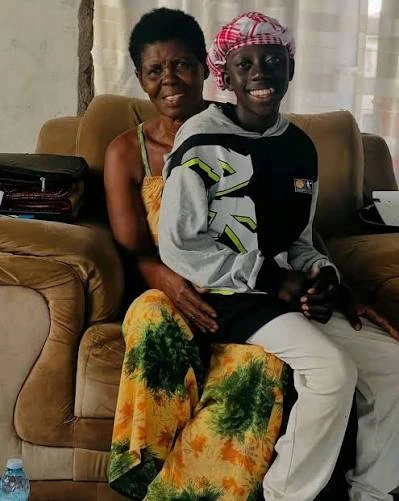
Tenge Tenge is the online character created by Ugandan child entertainer Saad Ssozi, also known as Rango Tenge Tenge. His short dance routines, comedy skits and exaggerated reactions travelled far beyond Kampala, turning a simple repeated phrase into a recognisable social media identity.

His rise is also a story about the less visible side of the creator economy. Behind the viral videos are questions about schooling, parental involvement, account ownership, management contracts and who controls the money earned by a child’s digital brand.

Tenge Tenge at a Glance

DetailAvailable information
Real nameSaad Ssozi
Online namesTenge Tenge and Rango Tenge Tenge
CountryUganda
Home area reported in interviewsSalama, Kampala
Known forDance videos, comedy skits and short-form entertainment
Reported age in May 202612
Early manager and dance coachMichael Kabonge
Breakout phrase“Tenge tengelele”
Main platformsTikTok, YouTube, Instagram and Facebook

A precise public birth date has not been reliably established. Ugandan reports described Ssozi as 11 in April 2025 and 12 during the account dispute reported in May 2026.

What Is Tenge Tenge’s Real Name?

Tenge Tenge’s real name is Saad Ssozi. “Rango Tenge Tenge” is the fuller stage name attached to the character and social media accounts through which he became known.

The nickname emerged from a dance video built around the repeated words “tenge tengelele.” Ssozi’s distinctive performance, facial expressions and rhythmic movements made the phrase easy to remember even for viewers who knew little about Uganda or did not understand Luganda.

The name should not be confused with the Kazakhstani tenge, a national currency, or unrelated crypto tokens using similar branding. In this context, Tenge Tenge refers specifically to the young Ugandan content creator.

How Saad Ssozi Started Making Videos

Ssozi’s path into online entertainment began through dance rather than through a planned influencer campaign. Michael Kabonge, who later became his manager, was training children through the Wembley Mo Foundation when he noticed the boy’s commitment to learning.

The 2025 profile described difficult circumstances before fame. Ssozi had reportedly stopped attending school and collected scrap metal to help support his family. Kabonge said the child continued appearing for dance training despite those challenges.

The pair spent time developing his performance skills before posting the clip that established the Tenge Tenge persona. In their account of the breakthrough, the dance video eventually exceeded 162 million views. That figure comes from Ssozi and Kabonge’s interview rather than independently published platform analytics, but there is little doubt that the character reached a large international audience.

Why Tenge Tenge Became a Global Meme

Tenge Tenge’s videos work without complex dialogue or elaborate production. Most rely on movement, expressions, costumes, music and a visual joke that can be understood within seconds.

That simplicity helped the content cross borders. A viewer does not need background knowledge, subtitles or a long introduction to understand the performance. The format also fits the way TikTok, Instagram Reels and YouTube Shorts distribute highly repeatable videos.

Several characteristics made the content particularly shareable:

  • a short and recognisable catchphrase;
  • expressive dancing and physical comedy;
  • videos that reach the main joke quickly;
  • inexpensive locations and smartphone production;
  • audio and movements other users can imitate;
  • a character that remains visually consistent across different skits.

This does not mean virality was automatic. Many similar videos disappear without building a durable audience. Ssozi’s growth also depended on frequent posting, management of multiple platforms and converting one successful clip into a continuing character rather than treating it as a single viral moment.

How Large Is Tenge Tenge’s Audience?

Tenge Tenge has built an audience measured in the millions, although exact totals vary and can change quickly.

At the time of checking in July 2026, the main YouTube channel displayed approximately 4.26 million subscribers. The Instagram profile associated with Rango Tenge Tenge displayed about 2.1 million followers.

Older reports gave different platform totals, including larger Instagram and combined social media figures. Those numbers should not be added together as though they represent unique people because the same viewer may follow several accounts. Account access disputes, duplicate profiles and changes in platform reporting can also make historical comparisons unreliable.

The safest description is that Tenge Tenge is one of Uganda’s most visible young digital entertainers, with a substantial audience across short-form video and social platforms.

International Trips and Celebrity Attention

Viral reach created opportunities outside Uganda. By April 2025, Ssozi said he had travelled to Kenya, Rwanda, Nigeria, Saudi Arabia and the United Arab Emirates.

He also reported online interactions with entertainers and creators including Chris Brown, Tiwa Savage, Davido, Jason Derulo, IShowSpeed and Kai Cenat. Such interactions helped place the Tenge Tenge character inside a wider African and international creator network, although a livestream appearance should not automatically be treated as a formal partnership or endorsement.

The distinction matters because viral personalities are frequently linked to celebrities through reposts, calls or informal meetings. A genuine commercial collaboration normally requires clearer evidence, such as an official campaign, credited appearance or confirmed agreement.

School and Family Life Behind the Videos

The 2025 interview reported that Ssozi had returned to school and was attending Tal Islamic Model Junior School. He was then described as a Primary Four pupil who received school permission and homework when travelling.

His parents were initially cautious about the social media activity. According to Ssozi, his father did not fully understand what the videos involved but later became more supportive.

That tension is understandable. Online visibility can create income and opportunities, but it also places a child’s image, schedule and private life in front of a large audience. The adults involved must balance content production with education, rest, financial protection and the child’s ability to participate in decisions affecting his identity.

What Is Tenge Tenge’s Net Worth?

There is no reliable public figure for Tenge Tenge’s net worth.

Follower counts and video views do not reveal how much a creator earns. Revenue depends on where viewers are located, whether a platform monetises the account, advertising rates, music rights, management costs, brand contracts and the division of income among the people producing the content.

The public dispute reported in 2026 also makes speculative net worth claims especially unreliable. Statements about individual deals or amounts came from people involved in the disagreement and do not provide a complete, independently audited record of the child’s earnings.

Any website giving an exact Tenge Tenge net worth without financial documentation is therefore presenting an estimate, not a confirmed fact.

The 2026 Dispute Over Accounts and Earnings

In May 2026, a conflict involving Ssozi’s family and Michael Kabonge became public. Reports described disagreements over control of the social media accounts, access to revenue and the way money from content and endorsement deals had been divided.

Kabonge maintained that he had created and developed the accounts and said earnings had been shared with Ssozi’s father. The family raised concerns about control, transparency and the child’s access to the accounts and income. These were competing claims rather than findings established by a court or independent financial audit.

Later reporting described mediation involving musician Bruno K, apologies and an agreement to work together while seeking clearer legal arrangements. The available reports do not provide a complete public contract explaining who legally owns the accounts or how future income will be protected.

The episode exposed a weakness that can remain hidden while an influencer is growing: a social media account may carry enormous commercial value even when ownership, passwords, payment access and management percentages were never clearly documented.

What the Tenge Tenge Story Reveals About Child Creators

Tenge Tenge’s rise demonstrates how a smartphone, a memorable performance and effective distribution can take Ugandan content to a global audience. It also shows why a successful account must eventually be treated as a business asset.

For an adult creator, unclear ownership can lead to a contractual dispute. For a child, the problem is more complicated because parents, managers, platforms, brands and production teams may all influence the work while the child remains the public face of the business.

Several safeguards become essential once a young creator begins earning money:

  1. Social media accounts should be registered with clear recovery details and documented ownership.
  2. Management percentages and production costs should be written down before major deals are accepted.
  3. Income received for the child should be recorded separately and transparently.
  4. Education and wellbeing should not depend on the next viral video.
  5. Advertising and sponsorships should be distinguishable from ordinary entertainment.
  6. Adults should limit unnecessary disclosure of the child’s location, school schedule and private information.

The dispute does not erase the work that helped build the Tenge Tenge character. It shows why creative contribution, parental authority and ownership of a child’s brand cannot be left to informal assumptions.

Where Tenge Tenge’s Career Goes Next

Tenge Tenge has said he wants to improve as a creator, support his family and eventually become a businessman. His audience gives him a platform from which he could expand into longer videos, music, live appearances, licensed merchandise or carefully selected brand campaigns.

The next stage will depend less on repeating the original dance and more on building a stable structure around the person behind it. Clear account ownership, transparent finances, consistent schooling and age-appropriate content will determine whether viral fame becomes a sustainable career.

Tenge Tenge’s biggest achievement is not simply accumulating views. Saad Ssozi turned a locally produced character into a recognisable piece of global internet culture. Protecting the child behind that character is now just as important as growing the audience.

Who Is the Richest Man in Uganda in 2026?

As of July 2026, no official, audited national rich list can settle the question. The clearest current published estimate places Hamis Kiggundu first, with an indicative asset value of about US$1.35 billion. Sudhir Ruparelia remains the strongest long-term rival and the name most often identified in established business coverage, with a diversified group spanning property, hospitality, education, insurance, floriculture and media.

The best answer therefore depends on how “richest” is measured. Kiggundu leads the latest asset-based estimate. Ruparelia has the longer public record and a more historically documented claim. Neither figure is a personal financial declaration, so it should not be presented as an exact, audited net worth.

Why Hamis Kiggundu Leads the Current 2026 Estimate

Hamis Kiggundu is the richest man in Uganda under a February 2026 asset-based ranking that valued his holdings at approximately US$1.35 billion. The estimate is built around the property, development and operating businesses associated with the Ham Group of Companies.

The group describes its activities as covering real estate, property development, agro-processing, education, hospitality, logistics, technology and general merchandise. Its visible assets include commercial developments in Kampala, residential projects, sports infrastructure and planned industrial ventures.

Property is the central valuation driver. Commercial buildings can produce recurring rental income while the underlying land may appreciate over time. That combination can create substantial paper wealth, especially in high-demand parts of Kampala. Kiggundu’s expansion into agro-processing and digital services adds potential growth beyond rent-producing property.

The largest uncertainty is valuation. A completed, occupied building with documented rental income can be assessed more confidently than undeveloped land, a project under construction or a new business that has not yet established stable revenue. A headline asset value also does not reveal debt, minority partners, financing obligations or the proportion of each asset personally owned by Kiggundu.

For that reason, the US$1.35 billion figure is best described as a published estimate, not a confirmed personal fortune.

Why Sudhir Ruparelia Is Still Widely Called Uganda’s Richest Man

Sudhir Ruparelia has the most established international claim to the title. Forbes previously identified him as Uganda’s richest man and recorded a net worth of US$800 million in its 2015 Africa rich list. More recent media estimates have placed him around or above US$1 billion, but those figures are not backed by a current public Forbes valuation or an audited personal balance sheet.

Ruparelia’s case rests on the breadth and maturity of the Ruparelia Group. The group traces its origins to a foreign-exchange business started in 1985 and later expanded into real estate, hospitality, education and agriculture. Its current portfolio also includes media, floriculture, insurance and financial services.

This diversification matters. A fortune supported by offices, hotels, schools, flower exports, insurance operations and media assets is less dependent on one development or one market segment. Long-established operating companies can also be easier to analyse than projects whose future cash flow remains uncertain.

Even so, private ownership limits visibility. The market value of buildings, the profitability of individual companies, outstanding liabilities and the exact ownership structure are not fully disclosed to the public. Sudhir Ruparelia may be Uganda’s best-documented wealth holder, but his present personal net worth still cannot be calculated precisely from public information alone.

The 2026 Estimate of Uganda’s Richest People

The following table summarises a February 2026 asset-based estimate of the richest people in Uganda. The numbers are based on reported assets and business interests. They are not audited declarations, and the plus sign indicates that the original estimate treated the value as a minimum or open-ended figure.

RankBusinesspersonPublished estimateMain business exposure
1Hamis KiggunduAbout US$1.35 billionReal estate, property development, agro-processing, technology and education
2Sudhir RupareliaAbout US$1.2 billionReal estate, hospitality, education, insurance, floriculture and media
3John Bosco MuwongeUS$850 million+Kampala commercial property
4Drake LubegaUS$800 million+Commercial real estate, industrial assets and education
5Mansour MatovuAbout US$785 millionCommercial property and logistics-linked investments
6Karim HirjiUS$785 million+Hospitality, property, automotive distribution and finance
7Christine NabukeeraUS$710 million+Commercial and residential real estate
8Tom KitandweUS$700 million+Commercial property, land, agribusiness and telecom-linked investments
9Guster Lule NtakeUS$670 million+Hospitality, agriculture, manufacturing and property
10Godfrey KirumiraUS$615 million+Petroleum distribution, property, hospitality and telecom infrastructure
11Charles MbireUS$600 million+Telecommunications, energy, finance and corporate investments
12Amos NzeyiUS$550 million+Beverage manufacturing, food production and hospitality
13Ahmed Omar MandelaUS$535 million+Fuel retail, restaurants, milling and automotive distribution
14Haruna SentongoUS$490 million+Urban commercial property and market redevelopment
15Patrick BitatureUS$220 million+Telecommunications distribution, energy, hospitality and real estate

This table should be read as a map of prominent private capital, not as a verified league table. Small changes in property assumptions, debt estimates, exchange rates or ownership percentages could reorder several positions.

Why Uganda’s Billionaire Rankings Differ So Much

The phrase “Uganda billionaires” suggests a level of precision that the available data rarely supports. Most leading fortunes are held through private companies, family structures and physical assets rather than transparent portfolios of publicly traded shares.

Several valuation problems appear repeatedly.

Asset Value Is Not the Same as Personal Net Worth

A building worth US$50 million does not automatically add US$50 million to one person’s net worth. The property may be mortgaged, jointly owned or held by a company with other liabilities. Net worth requires subtracting debt and allocating only the owner’s actual economic interest.

Group Revenue Is Not the Owner’s Wealth

A company can generate hundreds of millions of dollars in sales while producing a much smaller profit. Revenue also belongs to the company, not directly to the shareholder. Treating turnover as personal wealth can inflate rankings dramatically.

Land Estimates Depend on Assumptions

Kampala property is a major source of private wealth, but two valuers can reach different conclusions about the same site. Location, permitted use, occupancy, lease terms, redevelopment potential and market liquidity all affect the result.

Future Projects Are Easy to Overvalue

An announced industrial park, fintech platform or housing development may become valuable, but an unfinished or pre-revenue project should not be valued like an established operating business. Construction risk, financing requirements and customer demand still matter.

Private Debt Is Largely Invisible

A person may control valuable assets while also carrying substantial loans, guarantees or supplier obligations. Without debt information, an asset-only model can overstate the owner’s economic position.

These limitations explain why one article may name Hamis Kiggundu as the richest person in Uganda while another still places Sudhir Ruparelia first.

How Uganda’s Largest Fortunes Were Built

The ranking reveals more about Uganda’s business structure than the exact order of names.

Commercial Property Remains the Dominant Wealth Engine

A large share of the listed fortunes is tied to arcades, shopping centres, offices, hotels, markets and land in Kampala. Prime urban property combines rental cash flow with long-term appreciation. It also provides collateral that can support further borrowing and development.

John Bosco Muwonge, Drake Lubega, Mansour Matovu, Christine Nabukeera and Haruna Sentongo are presented primarily as property-led investors. Their estimated wealth depends heavily on occupancy, rental collections and the value assigned to central Kampala land.

Distribution Created Cash for Diversification

Fuel, vehicles, telecom products and consumer goods have generated the operating cash behind several business empires. Distribution businesses can scale faster than property because they produce frequent transactions, but they are exposed to import costs, currency movements, regulation and narrow margins.

Godfrey Kirumira and Ahmed Omar Mandela are associated with petroleum distribution, while Patrick Bitature’s early growth was linked to telecom distribution. The strongest operators then moved cash into property, hospitality, energy or manufacturing.

Manufacturing Provides a Different Form of Value

Amos Nzeyi’s association with Crown Beverages illustrates a more industrial route to wealth. Manufacturing value depends on production capacity, brand agreements, distribution reach, input costs and consumer demand rather than land appreciation alone.

Guster Lule Ntake and Ahmed Omar Mandela are also linked to food processing or milling. These businesses can create scalable operating income, although they face commodity-price and supply-chain risks.

Telecom and Digital Finance Make Some Wealth Easier to Track

Publicly listed shares offer more visibility than private buildings or family companies. Charles Mbire chairs MTN Uganda, a listed company that publishes annual financial reports. Market prices can provide a current value for disclosed shareholdings, although they still reveal only one part of a wider portfolio.

Kiggundu’s technology and payments ventures show how newer fortunes may add digital infrastructure to a traditional property base. The value of such businesses depends less on physical assets and more on active users, transaction volumes, regulation, technology costs and sustainable revenue.

Uganda’s Wealth in Economic Context

World Bank data place Uganda’s 2025 gross domestic product at approximately US$61.99 billion, with GDP per capita of about US$1,206 and annual growth of 6.3 percent.

Comparing private fortunes with national GDP can illustrate scale, but the comparison has limits. GDP measures the value produced across the economy during one year. Net worth measures the value of assets accumulated over many years after liabilities. They are different concepts and should not be treated as directly interchangeable.

The more useful observation is that Uganda’s largest fortunes are concentrated in sectors where ownership can compound: central-city land, commercial buildings, distribution networks, telecom equity, manufacturing capacity and hospitality assets. These forms of capital can grow faster than wages because they generate income and can be used to finance additional investment.

Oil development, digital payments, urban expansion and industrial projects may change the composition of future rankings. The next generation of wealthy Ugandans may hold more value in technology, energy and scalable regional businesses, but property will probably remain important because it underpins both income and borrowing capacity.

The Most Accurate Way to Answer the Question

For a one-sentence response, Hamis Kiggundu ranks as the richest man in Uganda in a February 2026 asset-based estimate, at approximately US$1.35 billion.

The necessary qualification is that the figure is unaudited. Sudhir Ruparelia remains the most widely documented long-standing contender and may still lead under a methodology that places more weight on mature operating businesses, liabilities and conservative asset values.

Any definitive claim that one individual has an exact personal fortune should therefore be treated cautiously. The credible answer is not simply a name and a number; it is a name, the valuation method and a clear statement of what remains unknown.