UN-UG Tracks Uganda’s Tech, Startups and Digital Economy
Technology News With a Clear Uganda Focus

Technology and ICT news:
industry developments, digital infrastructure, software, hardware and major technology projects.

Startups and entrepreneurship:
new companies, founders, funding, accelerators, product launches and the challenges of building technology businesses.

Fintech and mobile payments:
mobile money, digital banking, payment platforms, lending technology, fees and financial inclusion.

Artificial intelligence:
AI tools, automation, local business use, education, content creation and responsible adoption.
LATEST UGANDA TECH NEWS
-

Hurricane Melissa and the 2025 Disaster in Jamaica
Read More: Hurricane Melissa and the 2025 Disaster in JamaicaHurricane Melissa struck southwestern Jamaica on October 28, 2025, as a Category 5 hurricane with sustained winds of 185 mph (295 km/h). The cyclone…
-

Rajiv Ruparelia: The Businessman Behind a Public Legacy
Read More: Rajiv Ruparelia: The Businessman Behind a Public LegacyRajiv Ruparelia was a Ugandan businessman, education advocate, philanthropist and competitive rally driver. He served as Managing Director of the Ruparelia Group, the diversified…
-

Visit Rwanda Moves From Arsenal to Aston Villa FC
Read More: Visit Rwanda Moves From Arsenal to Aston Villa FCAston Villa FC has signed a multi-year partnership with Visit Rwanda, placing the tourism brand on the front of the club’s shirts from the…
-

Who Is Tenge Tenge? The Story Behind Uganda’s Viral Creator
Read More: Who Is Tenge Tenge? The Story Behind Uganda’s Viral CreatorTenge Tenge is the online character created by Ugandan child entertainer Saad Ssozi, also known as Rango Tenge Tenge. His short dance routines, comedy…
-

Who Is the Richest Man in Uganda in 2026?
Read More: Who Is the Richest Man in Uganda in 2026?As of July 2026, no official, audited national rich list can settle the question. The clearest current published estimate places Hamis Kiggundu first, with…
UN-UG Tracks Uganda’s Tech, Startups and Digital Economy
UN-UG is an independent technology and development publication covering the ideas, companies, policies and digital systems changing life in Uganda.
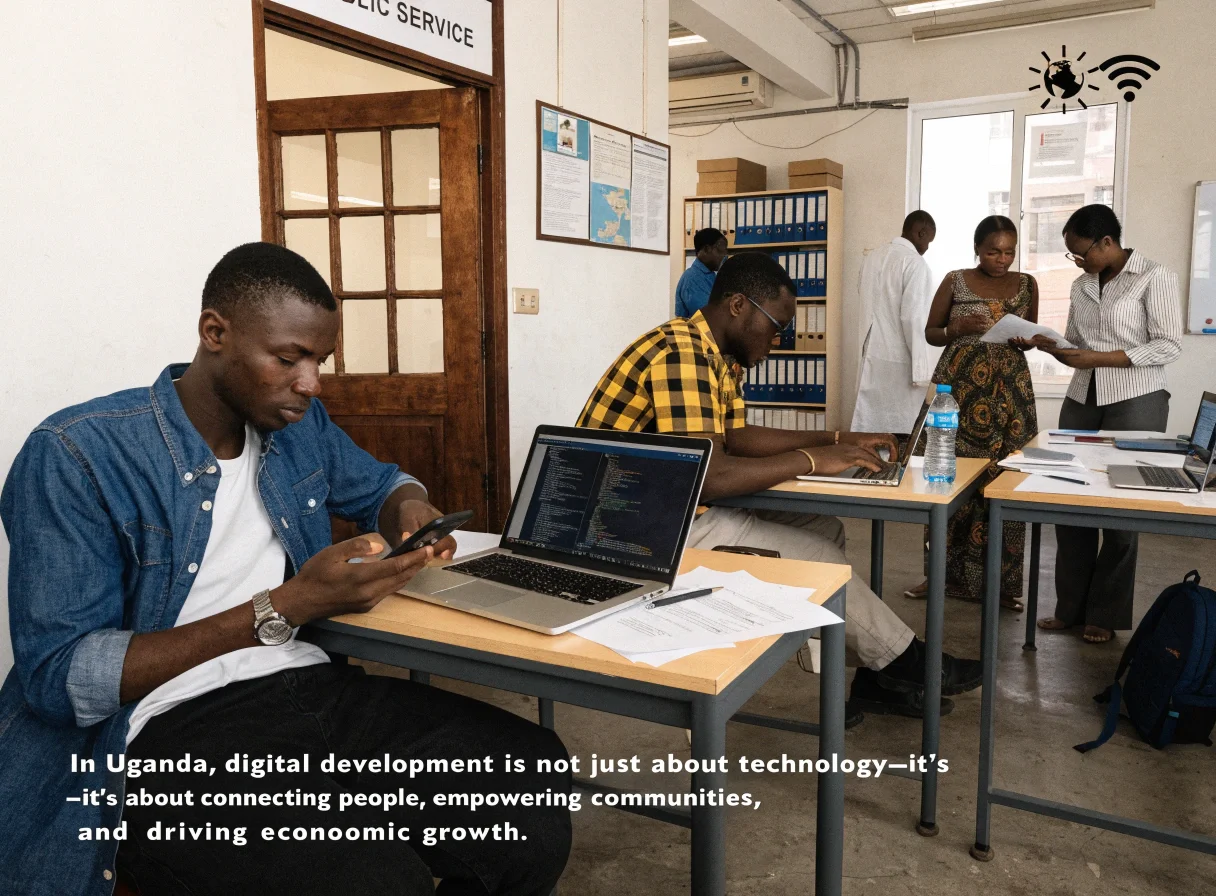
We report on ICT, startups, fintech, artificial intelligence, cybersecurity, telecommunications and technology-led public services.
Our coverage looks beyond product launches and official announcements. We examine how technology works in practice: who can access it, what it costs, which problems it solves and where implementation still falls short. The result is Uganda technology news connected to business, education, public services and everyday life.
UN-UG follows the technology stories that matter inside Uganda rather than republishing every global industry update. International developments appear when they affect local users, businesses, developers or public institutions.
A global artificial intelligence release may matter because Ugandan companies are adopting it. A change in digital payments may affect merchants and mobile money users. A cybersecurity incident can reveal wider weaknesses in data protection, public awareness or business infrastructure.
This local perspective helps readers understand why a story matters, not simply what was announced. We cover the immediate news, then add the context needed to follow its wider impact.
WHAT UN-UG COVERS
Our editorial coverage reflects the different parts of Uganda’s growing digital ecosystem.
Artificial intelligence: AI tools, automation, local business use, education, content creation and responsible adoption.
Cybersecurity and data protection: online fraud, privacy, security incidents, digital identity and safer use of online services.
Telecommunications: mobile networks, internet access, broadband expansion, service changes, data costs and connectivity.
Digital government: online public services, government platforms, digital records and technology used in public administration.
Skills and careers: technology education, coding, professional training, digital jobs and opportunities for young people.
These areas often overlap. A new government portal may involve software development, cybersecurity, accessibility and public policy. A fintech startup may also raise questions about licensing, customer data and consumer protection. UN-UG follows the full story instead of reducing it to a single category.
Startups, Builders and the People Behind the Technology
Technology coverage is often dominated by large companies and government institutions. UN-UG also pays attention to the developers, founders, students, researchers and small businesses building Uganda’s digital economy from the ground up.
We report on local products, business models and startup ecosystems without treating every funding announcement as proof of success. Investment can help a company grow, but readers also need to understand what the company offers, who uses it and whether the product addresses a real market need.
Our startup reporting may examine:
the problem a company is trying to solve;
the customers or communities it serves;
how the product works;
its pricing or revenue model;
competition within Uganda and East Africa;
regulatory and operational challenges;
evidence of adoption or practical impact.
This approach gives entrepreneurs visibility while keeping the coverage useful and grounded.
Digital Development Beyond Kampala
Kampala is the centre of much of Uganda’s technology activity, but digital development cannot be understood through the capital alone. Connectivity, devices, affordability, training and public services affect people differently across the country.
UN-UG follows how technology reaches schools, healthcare providers, farmers, local businesses and public offices. We are interested in the distance between launching a digital service and making it genuinely usable.
A platform may be available online but remain inaccessible to people with limited connectivity, expensive mobile data or low digital confidence. A training programme may promise new skills but produce little value if it is disconnected from employment opportunities.
By examining these practical barriers, UN-UG connects technology reporting with Uganda’s broader economic and social development.
How We Evaluate Technology Stories
Not every press release deserves to become a headline. Our editorial process begins by asking whether a development is relevant, verifiable and useful to readers.
When covering a product, platform, policy or public project, we consider:
What has actually changed?
Who is affected by the change?
Is the service already available or only planned?
What does it cost to access or use?
What information supports the claims being made?
Are there privacy, security or regulatory concerns?
What limitations should readers understand?
We distinguish confirmed facts from company projections, political promises and promotional language. When reliable results are not yet available, we avoid presenting expectations as established outcomes.
This is especially important in coverage involving investment, public money, personal data or financial services. Technology can create opportunities, but it can also introduce costs, risks and new forms of exclusion.
Reporting for Users, Professionals and Decision-Makers
UN-UG serves readers with different levels of technical knowledge.
Developers and IT professionals can follow software, cybersecurity, infrastructure and industry developments. Entrepreneurs and business owners can track startups, payment technology, digital tools and regulatory changes. Students can explore technology careers, training and emerging skills.
The site is also written for people who do not work in technology but rely on it every day. Mobile money fees, telecom updates, online scams, government portals and data privacy affect millions of users regardless of their profession.
We explain technical terms when they are necessary and avoid simplifying stories to the point where important details disappear. Readers should be able to understand the issue quickly, then continue into deeper analysis when they need it.
Independent Coverage With Clear Boundaries
UN-UG is an independent editorial publication. It is not an official United Nations platform, government department, telecommunications provider, financial institution or technology vendor.
The name reflects the site’s Uganda-focused identity and its interest in development, public impact and digital progress. It does not indicate an institutional connection with the United Nations.
Our role is to report, explain and analyse. We do not guarantee the reliability of a product, predict startup success or provide individual investment, legal or cybersecurity advice. Readers making important financial, business or security decisions should confirm the relevant information with qualified professionals or responsible institutions.
Find the Part of Uganda’s Digital Story That Matters to You
Readers following fast-moving developments can start with the latest Uganda tech news. Entrepreneurs can explore startup and fintech coverage. Professionals can move directly to ICT, artificial intelligence, cybersecurity or telecommunications. Readers interested in public impact can follow digital government, education and connectivity.
UN-UG follows technology from policy and investment to the point where it reaches a business, classroom, mobile phone or public service. That is where an announcement becomes a real change—and where our reporting begins.